Discover Portbou
Freemasonry in Portbou: the Progrés Portbouenc lodge
By the late nineteenth century, Portbou's growth around the railway had made it more than a customs and transit centre. It was also a place of associations, local politics, social…
Source last checked: 7 October 2026
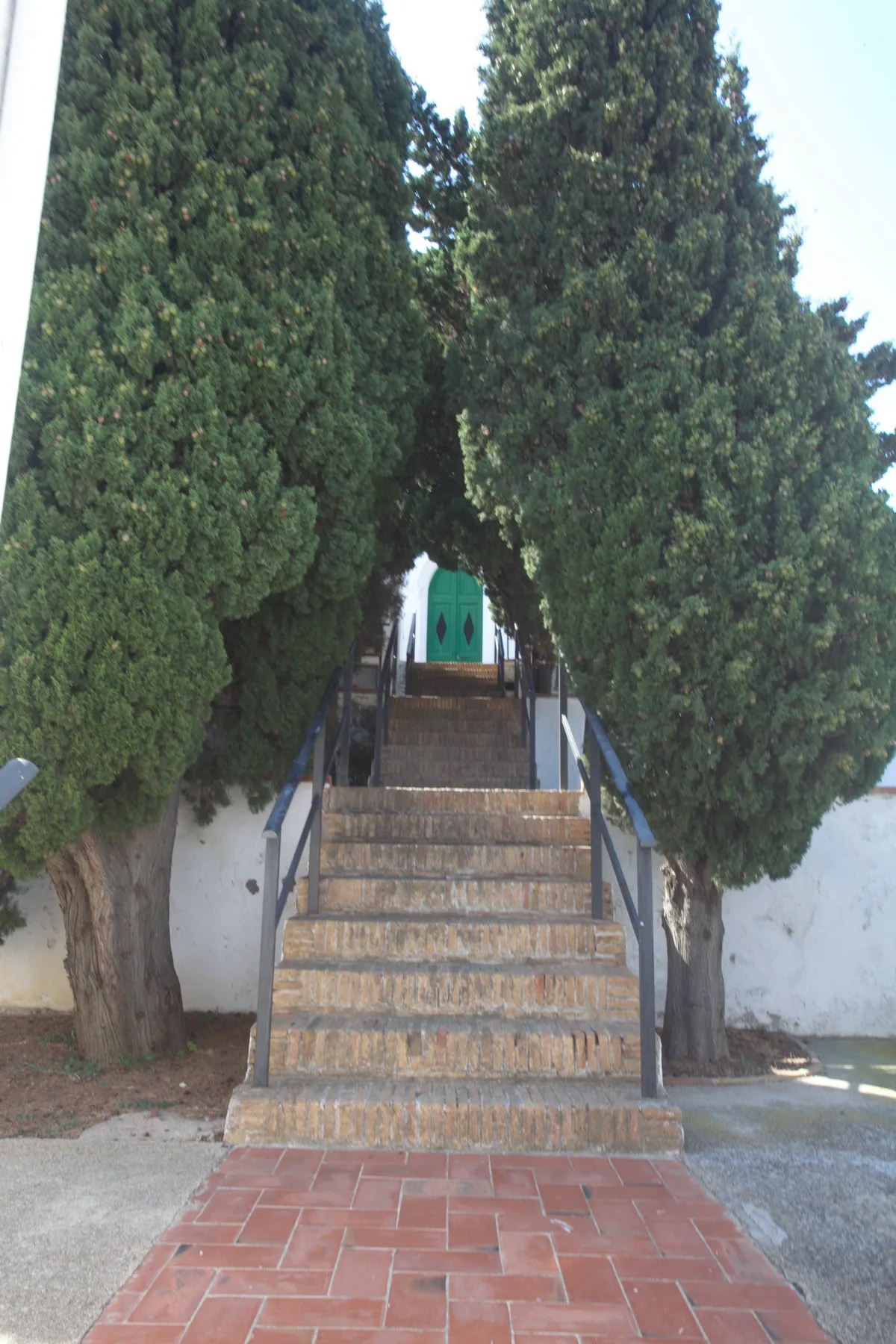
By the late nineteenth century, Portbou’s growth around the railway had made it more than a customs and transit centre. It was also a place of associations, local politics, social encounters and new ideas. Against this background, the Progrés Portbouenc Masonic lodge emerged; municipal documentation describes it as one of the most active lodges in the district.
1885: a documented foundation
A historical overview published by the town council dates the establishment of organised Freemasonry in Portbou to 30 January 1885. According to this account, Manuel Becerra, of the Symbolic Grand Lodge of the Grand Orient of Spain, granted authority to establish the lodge under the name Progrés Portbouenc.
The same source names Francesc Xavier Bosch as Worshipful Master, Joseph Herrero as Senior Warden and Miquel López as Junior Warden.
The timing is notable: Portbou also established its first municipal council in 1885. Without further evidence, no direct causal connection should be claimed, although both events show a local society rapidly developing its institutions.
Secular education, assistance and municipal politics
The council summarises the lodge’s annual report for 1889. As presented in the municipal account, the report credits the organisation with supporting a secular school for children from families of limited means and maintaining an assistance fund for members in need.
The same summary describes a substantial Masonic presence in municipal politics and mentions Mayor Josep Herrero.
These claims require context. They come from reports and a municipal historical summary about the lodge, not from a neutral account of every aspect of Portbou society. Nor do they establish that all local civic initiatives depended on Freemasonry.
A lodge with influence beyond Portbou
The municipal website says Progrés Portbouenc achieved a substantial membership and influenced neighbouring communities, at times outnumbering the lodge in Figueres.
It also reports that internal regulations were approved on 1 May 1891, while later records mention financial assistance, civil funerals, marriages and other non-religious ceremonies in various towns.
There is, however, an important documentary problem: the same municipal page provides membership figures containing internal inconsistencies, including two different figures assigned to 1897. We therefore avoid presenting a definitive numerical timeline.
The cemetery and civil society
Portbou cemetery was completed in 1885. Its municipal description explains that, in 1899, one area was designated for Catholic burials and another as a civil burial area. The sections were later joined.
This helps explain a society in which religious practices and civil rituals coexisted. Nevertheless, without a source demonstrating the connection, we do not attribute the establishment of the civil area directly to the lodge.
That distinction is the point of careful historical interpretation: understanding a social context without treating every example of secularism as ‘Masonic proof’.
Why this history matters in Portbou
Freemasonry offers a view of Portbou less immediately apparent than the railway or the border. Rapid growth in the late nineteenth century brought railway workers, officials, merchants, professionals and associations typical of an expanding international town.
Progrés Portbouenc formed part of that social landscape. Its history touches on education, mutual aid, freedom of thought, local government and internal disputes, showing that Portbou’s modernisation was also cultural and civic.
An account without myths
Freemasonry frequently attracts legends. For that reason, this article stays within the evidence that the municipality associates with historical documents and avoids unsupported speculation about symbols, buildings or individuals.
The council links its overview to Els fills de la llum, by Joseph Clarà. Until the relevant edition or primary documentation is available for further verification, this remains a documented but cautious introduction.
This social history complements that of a town shaped by the railway and its new border economy.